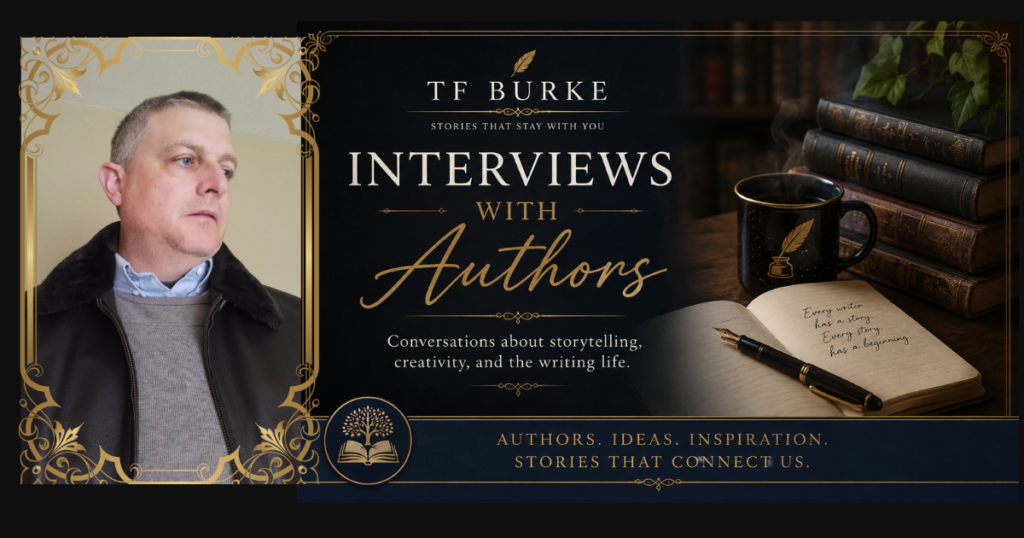
I first met Josh through David Farland’s Apex-Writers community, where his generosity has made a lasting impact on writers at every stage of their journey. In addition to his own writing, Joshua organizes the annual Apex-Writers Microfiction Contest, creating opportunities for writers to challenge themselves while providing valuable learning experiences. He also leads the community’s intensive annual writing camp. It’s a demanding but deeply rewarding event that has helped countless authors grow in their craft.
Needless to say, I am very honored to feature Joshua here and to share this conversation about his creative process, the themes that shape his work, and the stories he’s currently bringing to life.
Hi Josh!
What themes or questions tend to show up again and again in your work?
I like to explore a lot of themes in my stories. If there’s one that shows up more than others, I’d have to say it’s finding joy and light even in the darkest of times and places. For me, it all comes back to the old saying: The same boiling water that softens the potato hardens the egg. We can’t choose what’s given to us in life, but we can control and choose how we respond to it, what we make of it.
What kind of emotional experience do you hope readers walk away with after finishing one of your stories?
Honestly, I hope someone who takes the time and money to read one of my stories comes away satisfied first and foremost. Apart from that, I would like them to maybe see a reflection of themselves in a character, or come away viewing the problem in the story in a different light. Maybe understand a real-world issue from a new vantage point. I also would like my stories to give their readers an escape from their lives. To be a different person. To explore an unusual world and its inhabitants. To empathize. That’s the real currency of the human race—empathy. If we ever learn to trade and exchange that, we’ll be going somewhere better.
Do you tend to start with character, worldbuilding, plot, or a single image?
All of the above!
Each story begins in a different place. I had a horror novel that started with its main character, a sensitive. I wondered what it would be like to be in his shoes and feel what he endures when he communicates with the dead or gets possessed by a spirit. That book, Restless, grew out of that. I’ve had others stem from their worlds first. Others come from a lone still frame in my imagination. I never pigeon hole my imagination into any singular pathway. I let it wander and combine things in the most ridiculous ways possible.
What drew you to speculative fiction in the first place?
I remember watching Conan the Barbarian when I was little and being awestruck by the world, the people, and the high adventure. He-Man cartoons also played heavily into my growing obsession with fantasy. For science fiction, it was Star Wars, Star Trek, Buckaroo Bonsai, The Last Starfighter… movies of that sort. I wanted to be those characters and live in their worlds. I then moved into Dragonlance, Riftwar, Middle-earth, and the Forgotten Realms. I was hooked.
What’s your favorite kind of scene to write?
I genuinely love writing all of them. I enjoy how each one has its own life, its own unique rhythm. Some are full of action, while others hold powerful passion or suspense. Each scene is a gem on its own that I then string together with others.
What does your ideal reading atmosphere look like? (Tea? Thunderstorms? Blankets? Total silence?)
Great question! I would say it would be an immense library. I’d be nestled up next to one of many fireplaces with a healthy fire crackling surrounded by books and like-minded bookworms.
What are you currently working on or excited about next?
I’m working on several projects—some shorter and a couple of longer works. I’m writing a middle-grade fantasy novel, a high fantasy epic novel, and an Appalachian gothic cold case murder mystery novel. I’m always churning ideas and concepts. No rest for the weary.
Thank you for joining us today!
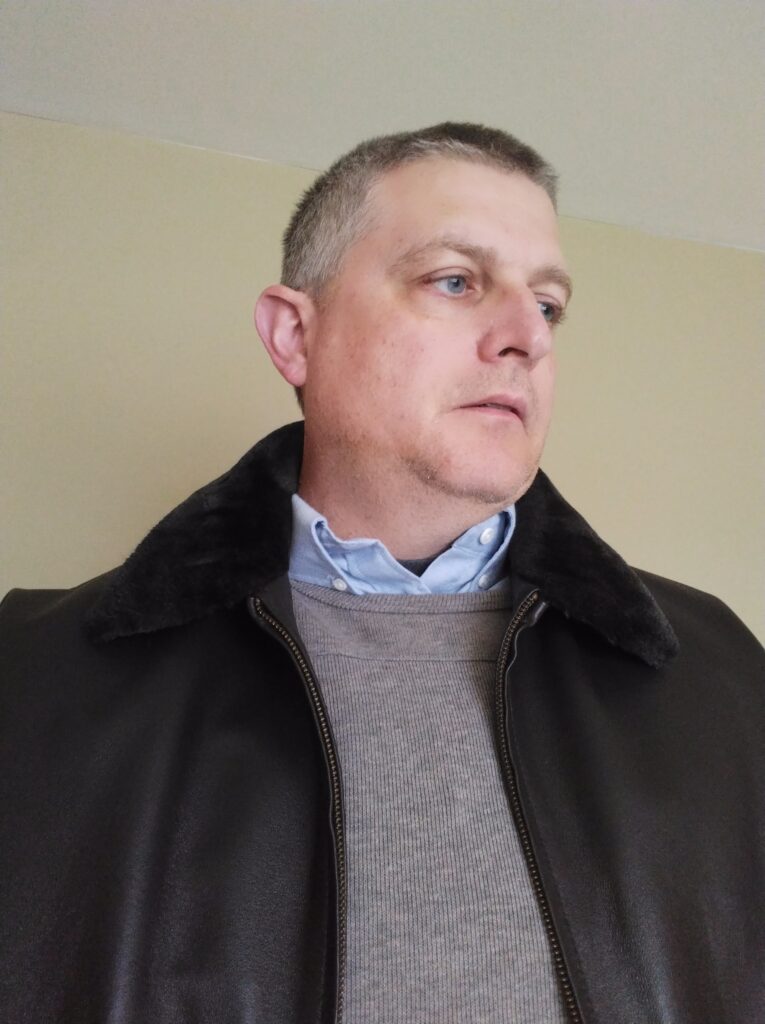
Joshua Dyer writes speculative fiction, westerns, and horror in both novel form and short stories. His works have earned national and international recognition in competitions and have appeared in award-winning anthologies and journals.
As J. E. Dyer, he writes historical fiction, romance, and literary fiction works. His novels have won national awards and made the short list for Chanticleer’s Van Goethe Award for best historical fiction novel. His shorter works have appeared in various journals and magazines.
Dyer also works as a slush reader for Empire & Great Jones Press and as an associate acquisitions editor for After Dinner Conversations. He has read and judged for the League of Utah Writers, and the Romance Writers of America. He’s mentored numerous fellow writers via SFWA and privately. You can follow him and his writing at https://www.joshuadyerwrites.com.